As the rains return across Nigeria, so does a familiar wave of seasonal illnesses. Cooler temperatures, stagnant water, and increased mosquito activity create the perfect conditions for infections that spike every year between May and October. Knowing what to watch for, and how quickly you can get help, can make the difference between a mild inconvenience and a serious health scare.
Malaria remains the most common rainy season illness in Nigeria, as pools of standing water become breeding grounds for mosquitoes. Typhoid fever also tends to rise during this period, often linked to contaminated water sources when drainage systems are overwhelmed. Respiratory infections, including colds, flu, and pneumonia, become more frequent as temperatures drop and people spend more time indoors in poorly ventilated spaces. Skin infections and fungal conditions can also flare up due to prolonged dampness, particularly among children and people who work outdoors.
Waterborne diseases like cholera and diarrheal illnesses are another seasonal concern, especially in areas where flooding disrupts clean water access. Symptoms such as persistent stomach upset, unusual fatigue, or a fever that doesn’t respond to over-the-counter medication should never be brushed aside, since several of these conditions can look similar in their early stages but require very different treatments.
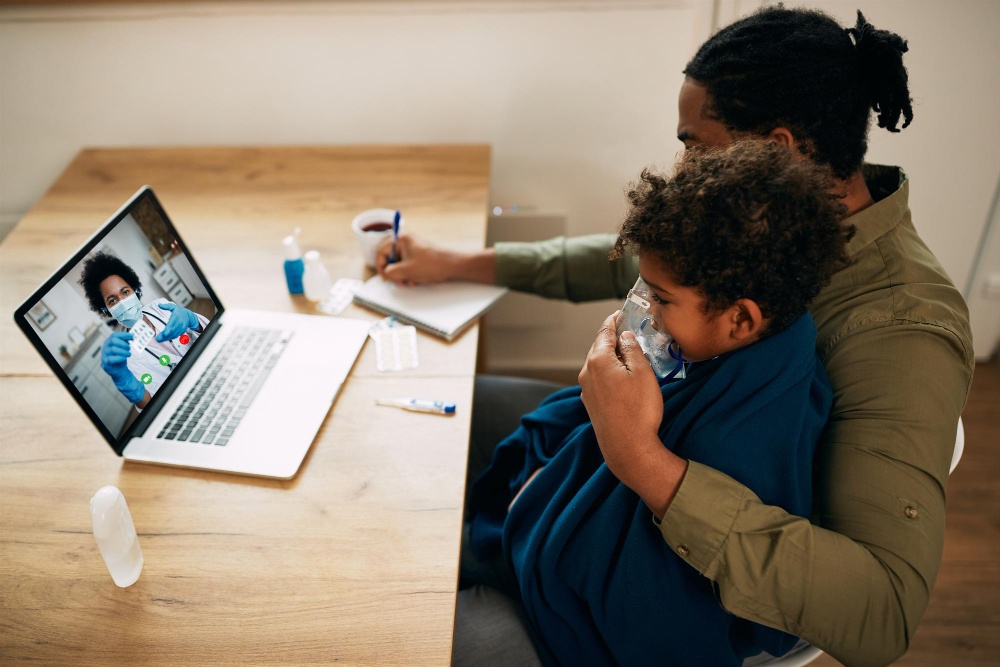
This is where virtual care becomes especially valuable during the rainy season. Heavy rainfall often makes roads impassable or travel unsafe, and clinics can become crowded as more people fall ill at the same time. Instead of waiting out a storm or risking a difficult commute, patients can consult a licensed doctor from home the moment symptoms appear. Early triage through a telemedicine platform helps determine whether a case can be managed at home, needs lab testing, or requires an in-person visit, saving both time and unnecessary exposure to crowded waiting rooms.
A few practical habits go a long way this season: clear stagnant water around your home to reduce mosquito breeding, boil or treat drinking water if your usual source is affected by flooding, keep a basic supply of rehydration salts and fever reducers on hand, and don’t dismiss a lingering fever as “just the weather.” If you notice symptoms that feel more than a passing cold, a quick virtual consultation can help you catch something treatable before it becomes serious.
Staying well during the rains isn’t about avoiding every risk, it’s about knowing which symptoms deserve attention and having fast, reliable access to a doctor when you need one.