Every September, the rains bring more than just flooded streets. In many parts of Nigeria, rising water levels mean overflowing gutters, contaminated boreholes, and wells sitting far too close to refuse and waste. It’s the season when cholera and typhoid cases quietly climb, often catching families off guard right when clinics and roads are hardest to reach.
Both illnesses spread the same simple way: through water or food that’s picked up contamination, usually from floodwater mixing with sewage or waste. A shared water source, a plate of food washed the wrong way, or a child playing in floodwater and forgetting to wash their hands before eating can be all it takes. Once one person in a household is infected, it tends to move quickly to everyone else sharing that same water and kitchen.
Know the Warning Signs
The early signs are easy to underestimate. Watery diarrhea, stomach cramps, vomiting, and a low-grade fever can look like an ordinary stomach upset at first. What matters most is watching for dehydration, especially in children and older adults: a dry mouth, sunken eyes, unusual tiredness, or noticeably less urination than normal are all signs that the body is losing fluids faster than it can replace them, and that’s when a case that started mild can turn serious within a day.
Simple Protection Habits
Most of the protection here comes down to basics done consistently. Boil or properly treat drinking water during flooding, even water that looks clean. Keep food covered and avoid buying from vendors whose water source you can’t vouch for. Handwashing with soap, before eating and after any contact with floodwater, does more than almost anything else on this list. And it helps to keep oral rehydration salts at home through the rainy season, the same way you’d keep paracetamol on hand.
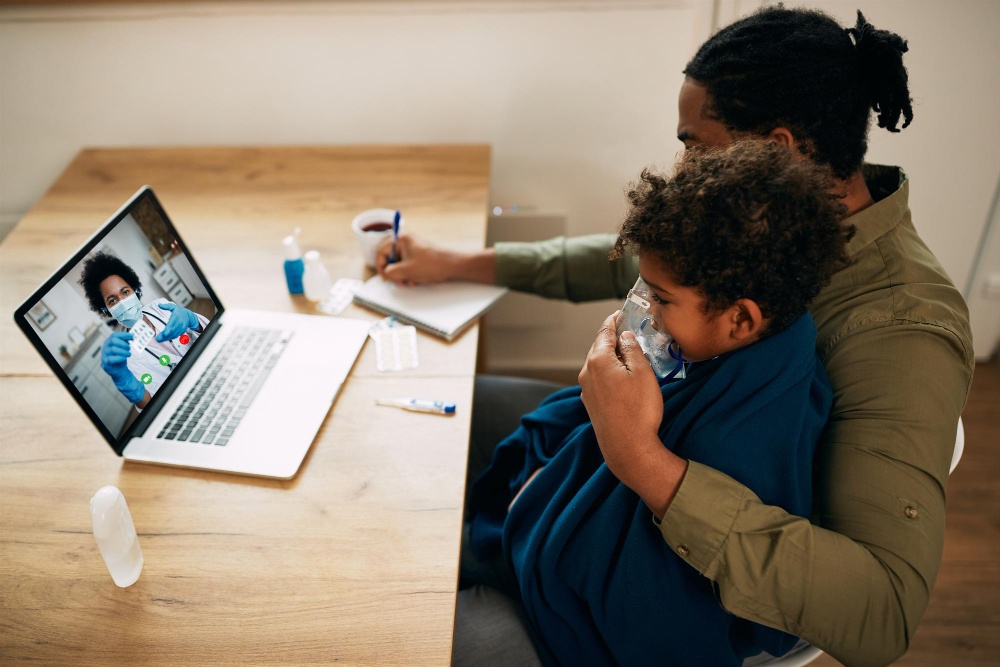
If floodwater makes it difficult or unsafe to get to a clinic, or you’re simply not sure whether what you’re seeing at home needs more than rest and fluids, a virtual consultation can settle that quickly. A TelMD doctor can walk through the symptoms with you, tell you whether home rehydration is enough or whether you need to get to a facility for IV fluids, and make sure you’re not waiting too long to act on something that moves as fast as cholera can. Sometimes the fastest way to a hospital is a phone call first.