
You know you’re officially an adult when conversations with friends start including phrases like “fiber intake” and “screening colonoscopy.”
What Is a Colonoscopy, Really?
A colonoscopy is basically a guided tour of your colon.
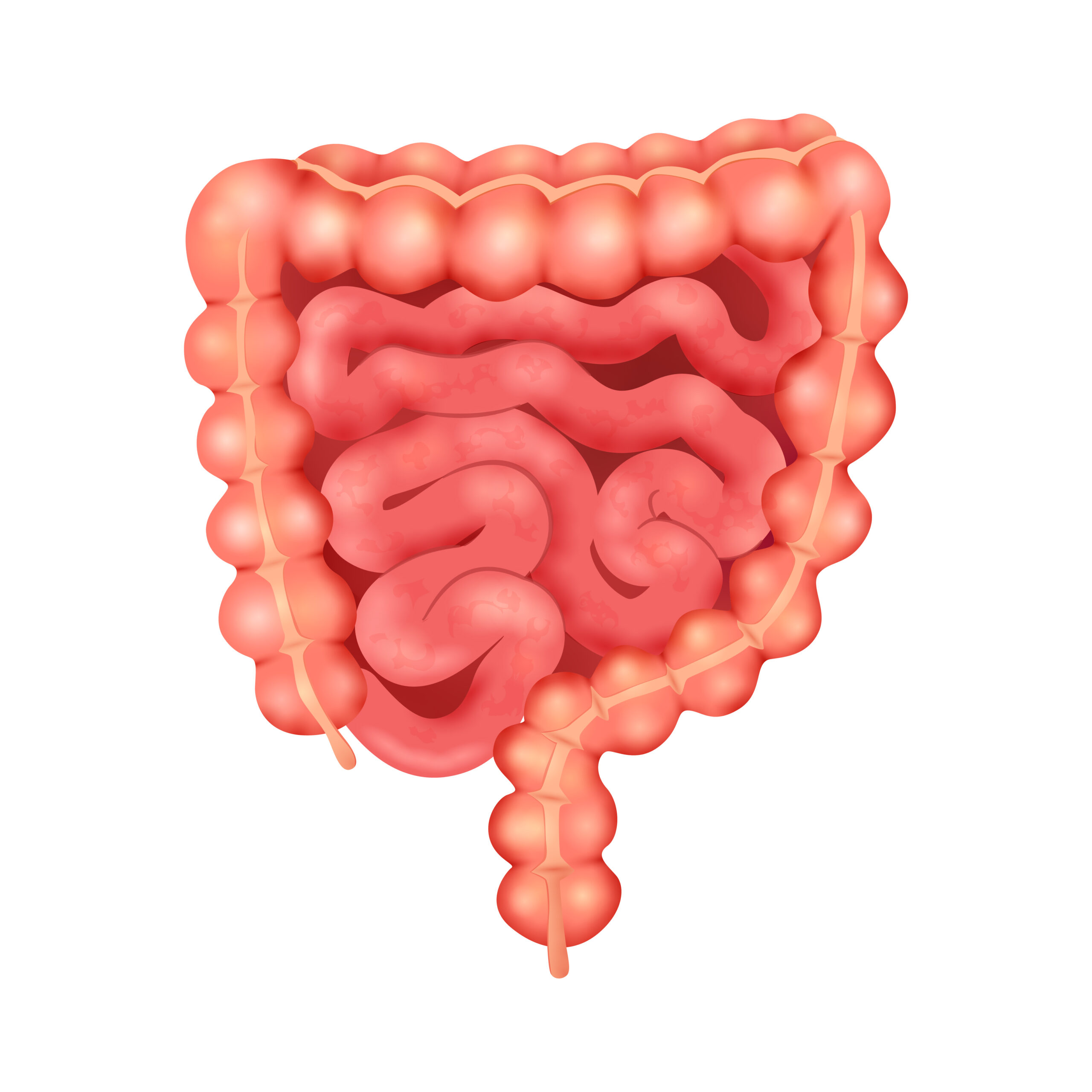
A doctor uses a long, flexible tube with a tiny camera and light at the end (a colonoscope) to look inside your large intestine (colon and rectum).
They’re checking for:
– Polyps (little growths that can sometimes turn into cancer)
– Signs of inflammation
– Bleeding
– Anything that looks suspicious
If they see polyps, they can usually remove them right then and there. It’s a bit like weeding a garden before things get out of control.
Why Do People Even Do This to Themselves?
Two big reasons:
1. To Catch Colon Cancer Early (or Prevent It Completely)
Colorectal cancer is one of the most common cancers, but also one of the most preventable.
Polyps often start out harmless. Over years, some can turn into cancer. Colonoscopy lets doctors:
– Find polyps early
– Remove them before they turn bad
– Catch cancer when it’s small and easier to treat
Translation: a day of mild humiliation can literally save your life.
2. To Figure Out Why Your Gut Is Acting Weird
Besides screening, doctors may recommend a colonoscopy if you have:
– Unexplained blood in your stool
– Long-lasting changes in bowel habits (diarrhea, constipation, or both)
– Unexplained weight loss
– Persistent belly pain
– A history of inflammatory bowel disease (like Crohn’s or ulcerative colitis)
It’s the “let’s stop guessing and actually look” test.
Who Should Get a Colonoscopy?
General rule (this may vary by country and guidelines):
– Average risk adults:
– Start screening around age 45
– Repeat every 10 years if everything looks normal
– Higher risk people may need it earlier and/or more often, for example:
– Strong family history of colon cancer or polyps
– Certain genetic conditions (like Lynch syndrome, FAP)
– Inflammatory bowel disease (Crohn’s disease, ulcerative colitis)
The exact timing depends on medical history, so this is always a “talk to your doctor” decision.
The Part Everyone Dreads: The Prep
Let’s be honest: the worst part is not the procedure.
It’s the preparation the day before.
The Goal
Your colon needs to be squeaky clean so the doctor can actually see the walls of your colon clearly, not… yesterday’s lunch.
What Prep Usually Involves
1. Diet changes
– Often: low-fiber or clear liquid diet the day before
– No seeds, nuts, or heavy foods that hang around in your colon
2.The Laxative Drink (The Main Event)
– You get a special drink designed to clean your colon out from top to bottom
– You’ll spend quality time with your toilet
– Clear, watery stool is the goal, as glamorous as that sounds
3. No Eating or Drinking for a While Before the Procedure
– Usually no solid food after a certain time
– Clear liquids only, then nothing at all for a few hours before
Is it fun? No.
Is it survivable? Absolutely.
Is it story material? Definitely.
The Actual Procedure: What Happens on the Big Day
Step 1: You Show Up
– You change into the world’s least flattering outfit: the hospital gown.
– They put an IV in your arm for sedation.
Step 2: The Good Stuff (Sedation)
– Most people get medication that makes them sleepy and relaxed.
– Some remember very little or nothing at all.
– You’re not “out” like full surgery anesthesia, but you’re very chilled.
Step 3: The Colon Tour
– The doctor gently inserts the colonoscope into your rectum and guides it through your colon.
– The camera sends video to a monitor.
– If they see polyps, they can remove them. If they see something suspicious, they can take a biopsy (a tiny tissue sample).
– You shouldn’t feel pain—maybe some pressure or bloating, if you feel anything at all.
Step 4: Wake Up, Farty and Free
– Afterward, you go to recovery.
– You’ll probably pass some gas (air was used to open the colon so they could see). This is normal and encouraged. Let it rip.
– You might feel a bit groggy but usually not awful.
– Someone needs to take you home—no driving after sedation.
The whole scope part usually takes 20–45 minutes. You will have spent more time with the laxative and the toilet than with the doctor.
Common Myths (a.k.a. Things People Worry About, But Don’t Need To)
“It’s going to be super painful.”
With modern sedation, most people say the prep was way worse than the actual procedure—and the prep is just lots of bathroom time, not torture.
“It’s embarrassing.”
The team doing this does colonoscopies all day, every day. For them, this is Tuesday. You’re sedated, you’re covered, and they are professionals.
“What if they find something?”
That’s kind of the point. If they find polyps, they can remove them before they turn into something serious. Finding nothing is great. Finding something early is also a win.
“I’m healthy, I don’t need one.”
You can feel totally fine and still have polyps or early cancer. That’s why it’s called screening, not “I already feel terrible” testing.
Why You Should Actually Care (and Share This)
– Colon cancer often starts silently. No big warning sign at first.
– Screening catches problems early, when they’re easiest to treat—or before they become a problem at all.
– A colonoscopy once every 10 years (for average risk) can massively reduce your chances of dying from colon cancer.
So yes, it’s awkward. Yes, there’s poop talk. But:
– One unglamorous day
– VS.
– Possibly preventing major surgery, chemo, or worse down the road
Pretty good trade.
